
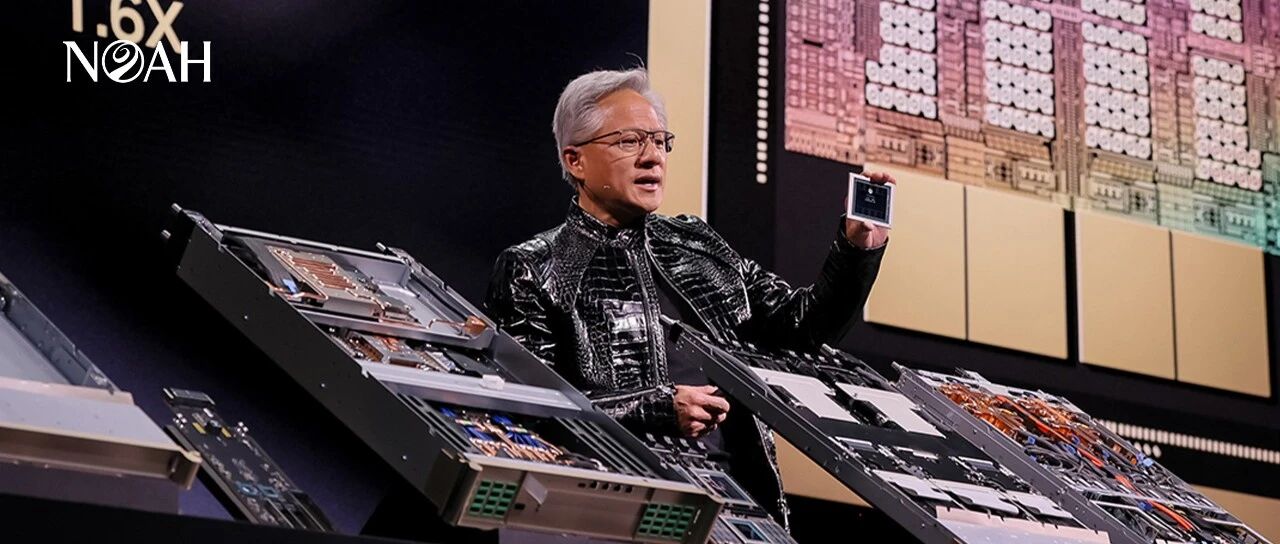
At CES 2026, two semiconductor giants kicked off a critical new chapter in the arena of AI computing platforms and data center chips.
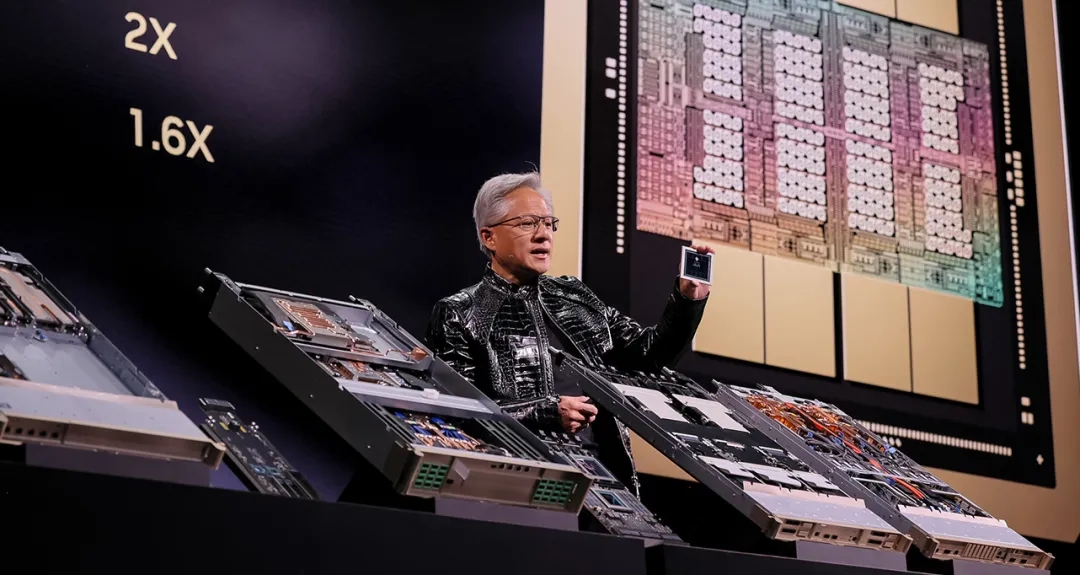
NVIDIA officially unveiled its Rubin platform—a comprehensive restructuring spanning CPUs, GPUs, networking, and storage chips. Positioned as a scalable "AI Supercomputer," this marks the first time NVIDIA has defined an AI supercomputer as a singular, complete product. It signals NVIDIA's evolution from a provider of computing power to a primary architect of AI infrastructure standards.
Simultaneously, AMD showcased its latest data center AI chip roadmap at CES, highlighting an expanding partnership with OpenAI to scale its data center business.
Broadly speaking, this CES semiconductor race is no longer just a performance sprint between NVIDIA and AMD; it is a competition over the very form of next-generation AI infrastructure. While NVIDIA seeks to build highly integrated AI supercomputing environments with Rubin, AMD is pushing its competitiveness through data center AI acceleration and ecosystem collaborations.
From a wealth management perspective, what does Rubin represent? The launch of the Rubin platform is more than just a technical milestone. It serves as a vital case study for understanding the shifting capital attributes of AI.
This edition of NOAH AI Frontier explores how these changes impact AI infrastructure, capital structures, and asset research frameworks from a long-term perspective.
Beyond NVIDIA vs. AMD: AI Infrastructure Enters the Phase of "Fixed Assetization"
Source: nvidia.com
What Has Rubin Changed?
1. AI Shifts from "High-Uncertainty Speculation" to "Long-Term Operational Systems"
In the early stages, AI projects were largely viewed as R&D investments or experimental outlays, with cost structures and ROI paths that were difficult to quantify. As computing platforms become more systematized, unit computing costs, resource efficiency, and long-term maintenance models become increasingly measurable and manageable. In research terms, AI projects are beginning to exhibit the characteristics of infrastructure-style assets.
2. AI Is No Longer Just a Set of Servers, but a Suite of "Fixed Assets"
The current AI computing ecosystem has evolved beyond single servers or chips into a suite of long-term operational systems, including:
·High-performance computing systems
·Supporting power, cooling, and networking facilities
·Operational and software stack support
With typical lifecycles spanning 5–10 years, the operational logic of these systems is increasingly converging with that of traditional data centers and infrastructure projects.
3. The Competitive Focus Shifts from "Point Performance" to "System-Level Integration"
As systems scale:
·Total replacement and migration costs increase significantly.
·Technical choices become more path dependent.
·The importance of early movers within the system ecosystem continues to rise.
From a research standpoint, the logic of AI competition is moving away from leadership in individual technologies toward system-level integration and scalability.
What Do These Changes Mean for Wealth Management?
Source: nvidia.com
1. AI Enters a True "Fixed Asset Investment Phase"
Data centers are no longer mere laboratories; they are becoming analogous to power plants, railways, and cloud infrastructure. This significantly elevates the importance of energy, power grids, data centers, and networks, attracting more long-term capital.
2. AI CapEx Moves from "Disordered" to "Predictable"
As a standardized platform, Rubin implies:
·Capital Expenditure (CapEx) is easier to plan.
·Depreciation cycles are clearer.
·The sector is better suited for long-term institutional and infrastructure capital.
3. A Fundamental Shift in "Moat" Logic
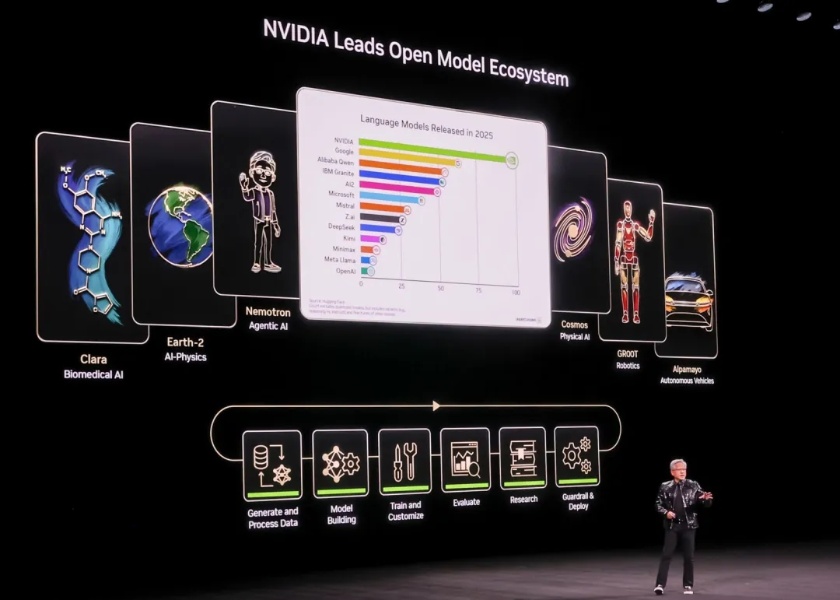
Future competition will not be about "who is 10% faster," but who defines the system and becomes the "default" choice. Viewed through this lens, AI is evolving from an early innovation theme into a critical research direction linked to infrastructure, energy, and long-term capital structures.
In recent years, several global infrastructure investment firms have already integrated AI-related infrastructure, energy, and data centers into their long-term research and strategic disclosures.
What Are We Actually Building in AI Infrastructure?
Source: nvidia.com
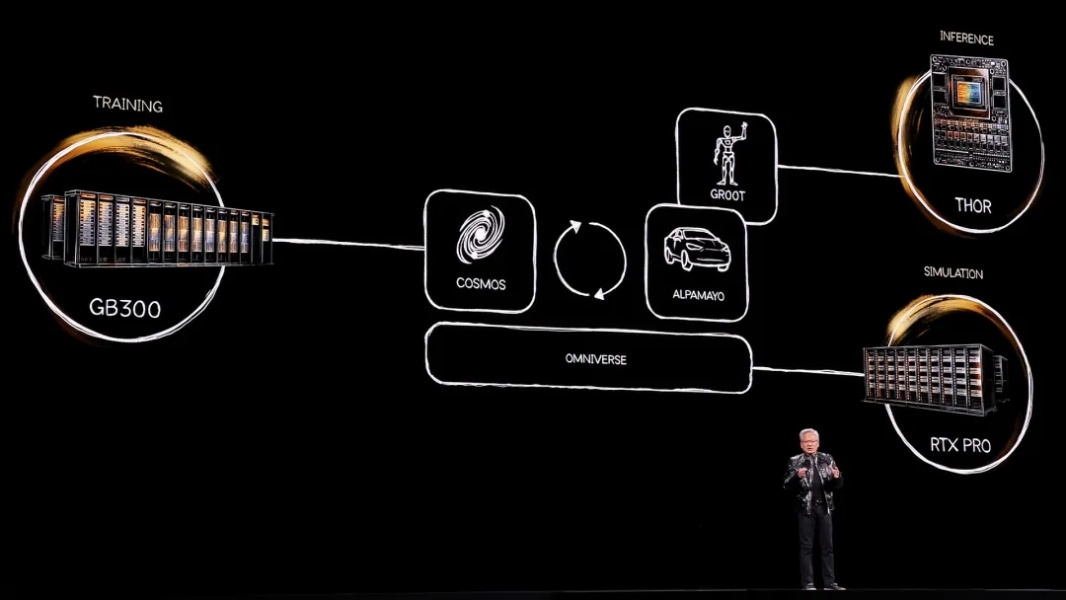
From a wealth management research perspective, AI infrastructure is not just about a single company or technology. It is the construction of foundational capabilities for the global AI era. Structurally, it shares characteristics with power, highways, ports, and data infrastructure, forming an interconnected long-term value chain.
1. Data Centers: The "New Real Estate" of AI
·High-performance data centers designed specifically for AI.
·High investment barriers and entry requirements.
·Usually secured by long-term client contracts.
·Attributes: Similar to core real estate, providing stable cash flow and global deployment.
2. Energy Systems: The "Rigid Demand" of AI
AI is not a "virtual" industry. It is intensely dependent on energy:
·Power generation and storage.
·Long-term Power Purchase Agreements (PPAs).
·As computing scale expands, the importance of energy systems rises in tandem.
3. Power Grids and Distribution: The Most Undervalued Link
Grid upgrades, substations, and transmission lines.
These assets have extremely long lifecycles, low substitutability, and low correlation with economic cycles, making them core components of infrastructure research.
4. Networks and Fiber Optics: The Highways of Data
·Fiber networks and data interconnect nodes.
·Cross-regional transmission systems.
·Strategic value continues to rise as AI applications scale.
Reflecting on the past two decades, what has truly reshaped wealth structures is rarely short-term trading, but rather an understanding of long-term trends and consistent attention to changes at the infrastructure level. From this perspective, AI infrastructure is emerging as a critical domain for long-term strategic positioning.
Why Is AI Infrastructure Included in Long-Term Asset Discussions?

AI infrastructure possesses clear construction cycles, relatively predictable capital structures, long service lives, and ongoing needs for energy, networking, and maintenance.
These features mirror the server clusters of the early internet, the data centers of early cloud computing, and the power/transportation buildouts driven by urbanization.
In long-term asset research, AI infrastructure typically features:
·Extended Cycles: Longer construction and service years with a relatively lower risk of technology replacement.
·Strong Global Correlation: Synchronized with global tech, energy, and digitalization processes, rather than relying on a single country's growth.
·High Operational Stability: Backed by long-term systemic demand, mirroring the yield characteristics of traditional infrastructure.
·Low Correlation with Traditional Assets: Offers risk diversification value within a portfolio.
It should be noted that these assets typically involve lower liquidity and are therefore better suited for analysis within a research framework that prioritizes a long-term view and holistic planning. In this sense, AI infrastructure is likely to be a major variable affecting wealth structures over the next decade.